Don't Let Ice Dams Win: A Worcester Homeowner's Guide to Winter Roof Protection
Winter in Worcester can be beautiful, with snow blanketing the city from Elm Park to Shrewsbury Street. But along with that beauty comes the potential for serious roofing problems. Those long, sparkling icicles hanging from your eaves might look picturesque, but they are often a warning sign of a destructive issue lurking above: an ice dam. For many homeowners, ice dams are a source of anxiety, leading to costly water damage and repairs. Understanding what causes them is the first step toward protecting your most valuable asset. At Gadarowski Roofing & Construction, we've seen firsthand the damage a harsh New England winter can inflict. This guide will walk you through what ice dams are, the damage they cause, and most importantly, how you can prevent them from forming in the first place.
What Exactly Is an Ice Dam?
An ice dam is a ridge of ice that forms at the edge of a roof and prevents melting snow (water) from draining off. It’s a problem that starts not on your roof, but inside your attic. Here’s how it happens:
- Heat Escapes: Warm air from your living space rises and escapes into the attic. If your attic is poorly insulated or ventilated, this heat warms the underside of your roof deck.
- Snow Melts: The snow on the upper parts of your now-warm roof begins to melt, even when the outside temperature is well below freezing.
- Water Refreezes: This meltwater runs down the roof until it reaches the cold eaves and gutters, which are not warmed by the attic's heat. Here, the water refreezes, creating a small ridge of ice.
- The Dam Grows: As this cycle continues, the ridge of ice grows larger, forming a dam. Water from newly melted snow pools behind it, unable to drain properly.
This trapped water has nowhere to go but up. It seeps underneath shingles, through the roof deck, and eventually into your attic and the walls of your home. What started as a simple heat loss issue has now become a major water intrusion problem.
The Hidden Dangers of Ice Dams
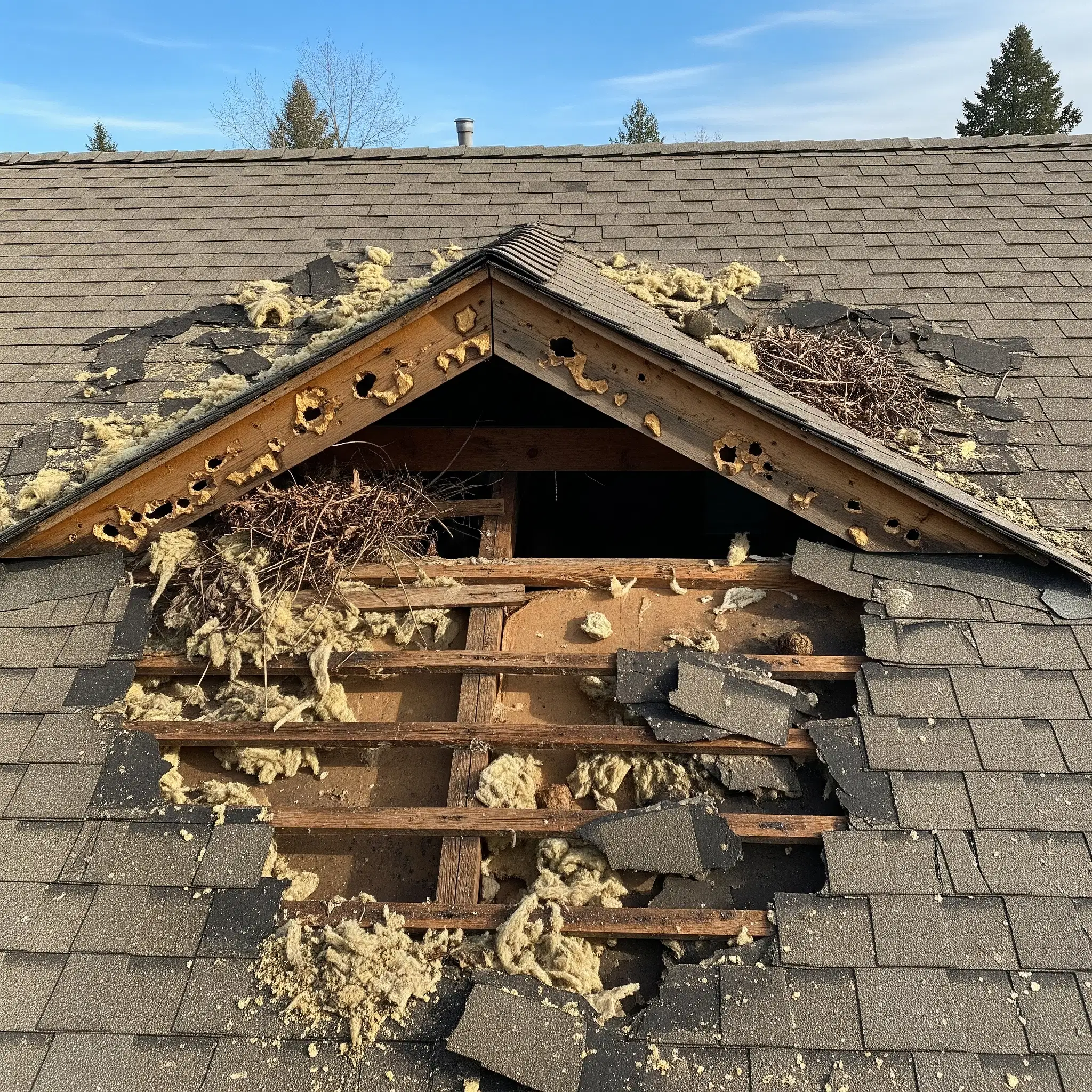
The consequences of an ice dam go far beyond a few icicles. The damage can be extensive, affecting multiple parts of your home and leading to expensive, disruptive repairs. Homeowners often underestimate the severity until they see a water stain on their ceiling, but by then, significant damage may have already occurred.
Key risks associated with ice dams include:
- Water Damage to Interiors: This is the most common issue. Water that backs up can soak attic insulation, seep into ceiling joists and wall frames, and cause ugly stains on your drywall and paint.
- Mold and Mildew Growth: Once insulation and wood become saturated, they create the perfect breeding ground for mold and mildew. This not only compromises your home's structure but can also pose a health risk to your family.
- Roof and Shingle Damage: The constant presence of water and the freeze-thaw cycle can lift and crack shingles, ruining their integrity and shortening the lifespan of your roof. The sheer weight of the ice can also damage the roof structure itself.
- Gutter and Downspout Damage: Gutters filled with solid ice are incredibly heavy. This weight can cause them to bend, warp, or even pull away from the house entirely, requiring complete replacement.
Ignoring the signs of an ice dam can turn a preventable issue into a major storm and wind damage repair project. A proactive approach is always the most cost-effective solution.
Proactive Prevention: Your Best Defense Against Ice Dams
The most effective way to deal with ice dams is to stop them before they start. The goal is to keep your entire roof the same temperature as the outdoor air. This prevents the snow from melting in the first place. At Gadarowski Roofing & Construction, we focus on these three critical areas for long-term prevention:
-
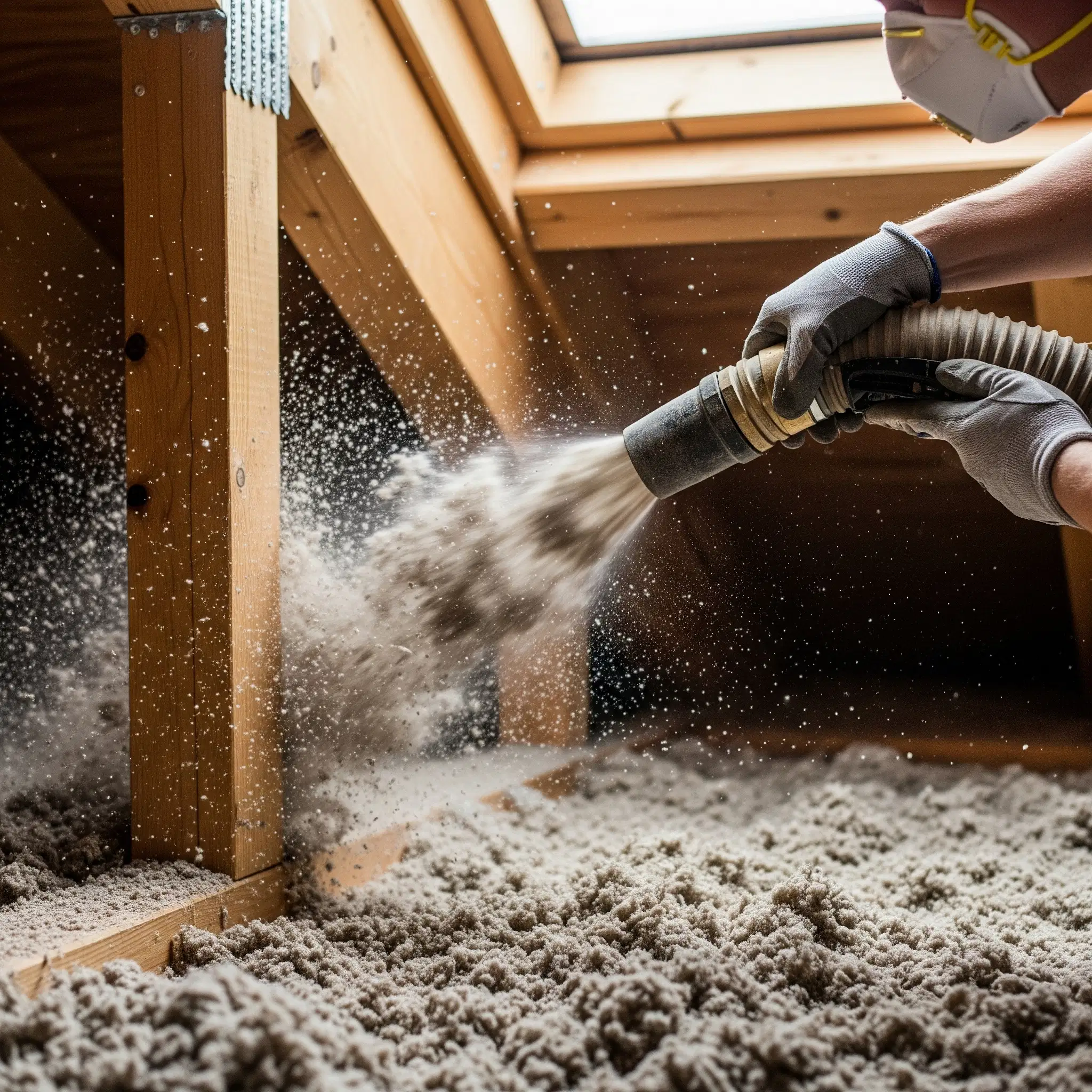
Superior Attic Insulation: A thick, even layer of insulation on the attic floor is your primary defense. It acts as a thermal barrier, preventing warm air from your living areas from reaching the underside of your roof. We often recommend high-quality Owens Corning insulation to meet or exceed local building codes, which also helps lower your energy bills.
-
Proper Attic Ventilation: A well-ventilated attic allows cold air to circulate, keeping the roof deck cool. A balanced system typically involves soffit vents (to let cool air in) and ridge vents (to let warm air out). This continuous airflow ensures there are no warm spots on your roof where snow can melt prematurely.
-
Air Sealing: Small gaps and cracks around light fixtures, plumbing vents, chimneys, and attic hatches can be significant sources of heat loss. Sealing these leaks is a crucial step that complements insulation and ventilation, creating a comprehensive system to keep your attic cold all winter long.
What to Do If You Already Have an Ice Dam
If you already see a massive ridge of ice on your eaves, it's important to act carefully. Trying to solve the problem yourself can be dangerous and may cause more harm than good.
What NOT to do:
- Don't get on the roof. An icy roof is extremely hazardous.
- Don't use an axe or chisel. Hacking at the ice can easily puncture your shingles and create a leak.
- Don't use rock salt. The salt can damage your shingles, gutters, and the landscaping below.
What you SHOULD do:
The safest and most effective solution is to call a professional. Experienced roofing contractors have the right equipment, such as low-pressure steamers, to safely melt the ice and create channels for water to drain without damaging your roof. Once the immediate threat is removed, the next step is a thorough roof inspection to assess for any underlying damage and identify the root cause. A professional can determine if you need a simple roof repair or if it's time to address the larger issues of insulation and ventilation to prevent future occurrences.
Protect Your Home This Winter with Gadarowski Roofing & Construction
Ice dams are a serious threat to homes throughout our region, but they are preventable. By focusing on the root causes—heat loss and inadequate ventilation—you can protect your roof, prevent costly water damage, and gain peace of mind. It's about ensuring your home is prepared to handle a classic New England nor'easter with ease.
Don't wait for a leak to reveal a problem. If you're concerned about your home's vulnerability to ice dams or have noticed signs of winter roof damage, contact the experts at Gadarowski Roofing & Construction. We provide professional inspections, repairs, and long-term solutions to keep your Worcester home safe and dry all winter long. Schedule your roof inspection today and let our team ensure your roof is ready for the season.